
Free Independent Contractor Non-Compete Agreement Template
Create a clear, enforceable non-compete agreement in minutes with Document Genius’s customizable template and guided form.
- Duration 4 min
- Download as PDF and Word
- E-sign included
Monday - Friday 9AM – 6PM EST
Document Genius Business Independent Contractor Agreement Non-Compete
Create a clear, enforceable non-compete agreement in minutes with Document Genius’s customizable template and guided form.
Written by
Josh Sainsbury
Written by
Josh Sainsbury
Josh Sainsbury is a business content editor specializing in legal writing, with a degree in magazine journalism from Southampton Solent University and extensive experience creating clear, accessible resources for legal and business audiences.
Full Bio
|
Attorney-Reviewed by
Harvey Barbee, J.D.
Attorney-Reviewed by
Harvey Barbee, J.D.
Harvey Barbee is an experienced attorney with over 15 years of practice in family, criminal, personal injury, and civil litigation, holding degrees in political science and law from the University of North Carolina and actively serving clients across North Carolina.
Full Bio
Select the non-compete agreement template to get started.
Set the duration, geographic limits, and restricted activities.
Download your agreement as a PDF or Word file.
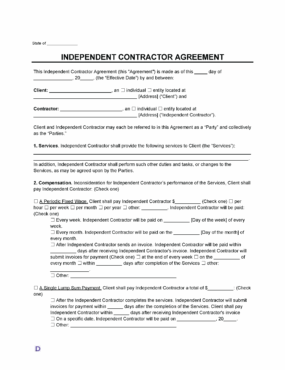
An independent contractor non-compete agreement limits a contractor’s ability to compete with your business for a defined period and within a specific area. It helps protect confidential information, client relationships, and specialized know-how gained during the engagement.
Because contractors often work across multiple projects and clients, a non-compete should be narrow and clearly written. When done correctly, it balances your business interests with the contractor’s ability to earn a living.
Most independent contractor non-compete agreements include:
Tip: A non-compete works best when paired with a non-disclosure agreement to protect confidential information during and after the engagement.
In many states, non-compete agreements can apply to independent contractors. However, enforcement depends heavily on state law.
Some states broadly restrict or prohibit non-competes, including California, North Dakota, Oklahoma, and Washington, DC. In states that allow them, courts usually require the agreement to be reasonable.
That typically means the non-compete must be:
Overly broad restrictions are more likely to be reduced or struck down by a court.
The Federal Trade Commission (FTC) proposed a rule to ban most non-compete clauses for workers, including independent contractors. While the rule has faced legal challenges and delays, it signals increased scrutiny of non-competes nationwide.
Because this area is evolving, it’s important to check current state and federal guidance before relying on a non-compete.
When non-competes are restricted, businesses often rely on confidentiality or non-solicitation terms instead.
A non-compete agreement may be appropriate when a contractor:
If your goal is mainly to protect confidential information rather than restrict future work, consider using an independent contractor agreement with strong confidentiality terms instead.
A clear structure makes non-competes easier to enforce and understand. Follow these steps to build a focused agreement.
List the full legal names and contact details of both the hiring business and the independent contractor. This confirms who the agreement applies to.
State when the agreement starts and how long the non-compete lasts. Most agreements cover:
Shorter durations, such as 1 to 2 years, are generally easier to enforce.
Specify where the contractor is restricted from competing. Focus on areas where your business actually operates.
Vague or nationwide restrictions are more likely to be challenged, especially for local or regional businesses.
Clearly explain what the contractor cannot do. Tie restrictions to the type of work they performed for you or the services they provided.
Specific language helps avoid confusion and reduces enforcement risk.
Select the state law that applies to the agreement. This is especially important when working with remote contractors in different states.
An assignment provision allows the agreement to remain enforceable if your business is sold or transferred.
Both parties must sign the agreement for it to be enforceable. Keep signed copies for your records.
Non-compete agreements often fail because they are too broad or poorly documented. Avoid:
Clear, limited agreements are more likely to hold up and less likely to discourage contractors from working with you.
Outline the working relationship between clients and contractors, including scope of work and payment terms.
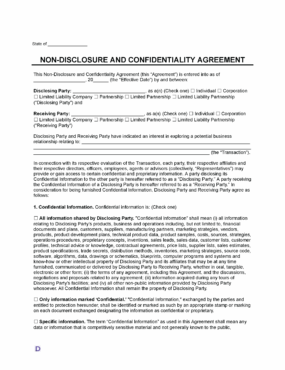
Safeguard confidential information and maintain trust between parties with this essential agreement.
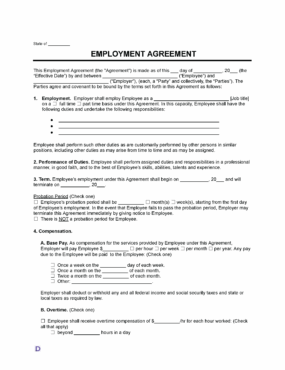
Set clear terms and conditions for employees to ensure compliance and professionalism.
Document the sale of a business with comprehensive and legally binding terms.
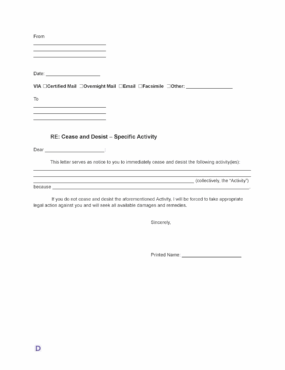
Take action against harassment, copyright infringement, or other contract violations.

One place to build, sign, and manage documents.