
Free Lease Renewal Agreement Template
Renew your lease with confidence. Use our customizable lease renewal agreement to keep good tenants and easily update key terms.
- Duration 4 min
- Download as PDF and Word
- E-sign included
Monday - Friday 9AM – 6PM EST
Document Genius Real Estate Lease Renewal Agreement
Renew your lease with confidence. Use our customizable lease renewal agreement to keep good tenants and easily update key terms.
Written by
Josh Sainsbury
Written by
Josh Sainsbury
Josh Sainsbury is a business content editor specializing in legal writing, with a degree in magazine journalism from Southampton Solent University and extensive experience creating clear, accessible resources for legal and business audiences.
Full Bio
|
Attorney-Reviewed by
Nicole Rhim, J.D.
Attorney-Reviewed by
Nicole Rhim, J.D.
Nicole Rhim is an attorney and legal writer with degrees from the University of Iowa and Tulane Law School and experience at an AM-100 firm, in government, and at a Fortune 500 company focusing on healthcare and privacy.
Full Bio
Enter the landlord's and tenant's information, property address, and the new lease term details.
Make updates like rent changes, lease length, or new conditions to ensure mutual agreement.
Both parties sign the agreement to make it legally binding and keep a copy for reference.
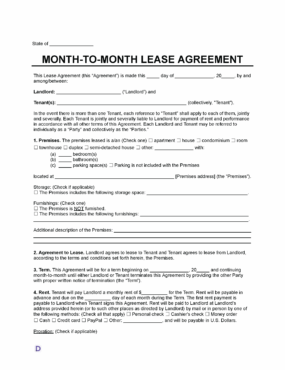
A lease renewal agreement is a legal document used to extend an existing rental contract. It allows a landlord and tenant to continue their rental relationship under new or existing terms.
This agreement helps both parties:
Whether adjusting the price or extending the term, a signed renewal agreement keeps everything clear and enforceable.
A lease renewal creates a new lease agreement, often with updated terms. It’s the right choice if you’re committing to another full lease term and want to change, like rent or add new conditions.
A lease extension simply continues the current lease for a short period without rewriting the contract. This is helpful if a tenant needs more time before moving out or you’re not ready to commit to a longer lease.
Choose a renewal if you want long-term rental stability and plan to update key terms. Choose an extension if you only need a temporary solution and want to keep the original lease terms in place.
Renewing a lease is easy with the right process and document. Follow these steps to stay organized and legally protected.
A lease renewal agreement doesn’t need to be complicated. You can use a template from Document Genius and adjust it to reflect your updated lease terms. Here’s how to write a clear, legally valid agreement that works for both landlord and tenant.
Start by listing the full legal names and addresses of the landlord and tenant(s). Then, reference the original lease by including the date it was signed and the property’s address. This links the renewal to the existing agreement and avoids confusion.
Specify the new lease term by stating the start and end dates. Then outline the updated rent and if it’s changing. You can keep the current amount or note the new rate and when it takes effect. If rent is increasing, include any legal notice given and add grace periods or late fee terms if needed.
Examples:
If a new deposit is required, state the amount and when it’s due. If no additional deposit is needed, include that too. Also mention how existing deposits will be handled, whether they carry over or are adjusted.
Example:
Include any agreed changes to other terms, such as:
If there are no changes, state that all other terms remain the same. This keeps the lease enforceable without needing to restate the full contract.
Reconfirm key protections from the original lease, such as:
You can restate or reference the original lease terms and note that they remain in full force.
Have all parties sign and date the renewal agreement. Depending on your state, notarization might be required. Once signed, provide copies to both parties and store a digital version for easy reference.
Make sure all pages are initialed if required by local law or property management policy.
Yes. A landlord can choose not to renew a lease, but they must follow local laws. In many states, landlords must give written notice 30–60 days in advance. Some cities with rent control may require a valid reason for non-renewal.
Reasons not to renew:
Check your state’s laws before declining to renew.
Set up a flexible rental arrangement that suits both landlord and tenant needs.
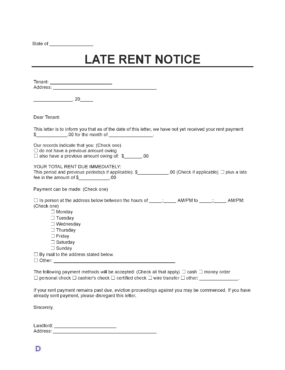
Communicate payment expectations and set a deadline for tenants to pay or vacate the property.
Define terms and conditions between landlords and tenants to ensure compliance and mutual understanding.

One place to build, sign, and manage documents.