
Free Land Lease Agreement Template
Lease land with confidence. Use our customizable land lease agreement to set clear terms and protect your property rights.
- Duration 4 min
- Download as PDF and Word
- E-sign included
Monday - Friday 9AM – 6PM EST
Document Genius Real Estate Land Lease Agreement
Lease land with confidence. Use our customizable land lease agreement to set clear terms and protect your property rights.
Written by
Josh Sainsbury
Written by
Josh Sainsbury
Josh Sainsbury is a business content editor specializing in legal writing, with a degree in magazine journalism from Southampton Solent University and extensive experience creating clear, accessible resources for legal and business audiences.
Full Bio
|
Attorney-Reviewed by
Nicole Rhim, J.D.
Attorney-Reviewed by
Nicole Rhim, J.D.
Nicole Rhim is an attorney and legal writer with degrees from the University of Iowa and Tulane Law School and experience at an AM-100 firm, in government, and at a Fortune 500 company focusing on healthcare and privacy.
Full Bio
Enter the names of the landlord and tenant, property information, and lease terms.
Adjust the document to include rent terms, allowed land use, and shared responsibilities.
Have both parties sign to make it official. Save copies for your records and future reference.
A land lease agreement lets someone use a piece of land for a set period in exchange for rent. It covers how the land will be used, how much will be paid, and what responsibilities each party has.
This type of agreement is used for:
Whether you’re leasing a field, a lot, or undeveloped land, a signed agreement helps avoid confusion and protects both parties legally.
In a land lease, the landowner keeps ownership of the land but allows someone else (the tenant) to use it for specific purposes. The tenant pays rent and may be responsible for improvements, taxes or insurance depending on the terms.
There are different types of land leases based on use:
Some leases are long-term, up to 99 years, while others cover just a season.
Writing a land lease agreement is simpler than it looks. The easiest way is to use a template from Document Genius and customize it to meet your needs by filling in the gaps. Follow these key steps to create a clear, legally binding document that works for both parties.
Start by listing each party’s full legal name and contact details. If there are multiple tenants, include everyone. This makes responsibilities clear and avoids confusion later.
Add a legal description of the land being leased, including the address, lot size, and boundaries. Be specific so there’s no question about what’s being rented.
Explain how the tenant can use the land, whether for farming, building, grazing, or another agreed-upon purpose. If needed, limit usage to certain activities and note that changes require the landowner’s written approval.
State when the lease starts and ends. Then, outline how rent will be paid:
You can also include prorated rent for partial periods.
Note if a deposit is required and how much. Explain how and when it will be returned, and under what conditions deductions can be made.
Specify who will pay:
This helps prevent unexpected costs or disputes during the lease.
State whether the tenant can make changes to the land (like adding fencing or structures). Also note:
Decide who will carry insurance. Many leases require tenants to provide:
You can also require that the landowner be named on certain policies.
Use simple clauses to outline:
Both parties should carefully review the full lease, then sign and date it. Depending on your state, you may need to:
Each side should keep a signed copy for their records.
When the lease ends, the tenant typically has three options:
In some long-term leases, improvements (like buildings) stay on the land and become the landowner’s property unless otherwise stated.
It depends on what the agreement says. Often:
To avoid disputes, the lease should clearly say whose responsibility it is for which taxes.
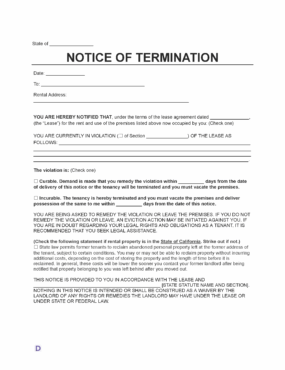
Outline the terms and reasons for eviction, whether due to non-payment, lease violations, or other grounds.
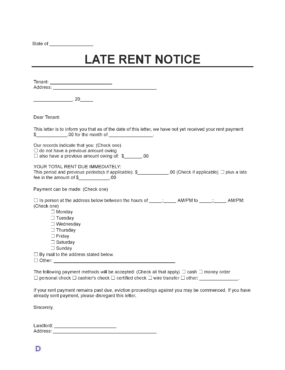
Communicate payment expectations and set a deadline for tenants to pay or vacate the property.
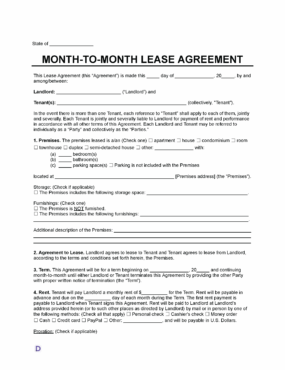
Set up a flexible rental arrangement that suits both landlord and tenant needs.
Define key terms, responsibilities, and conditions for your real estate deal.
Define terms and conditions between landlords and tenants to ensure compliance and mutual understanding.

One place to build, sign, and manage documents.