
Free Rental Application Form
A rental application helps landlords compare applicants and choose a qualified renter. Build your rental application in minutes with Document Genius’s guided form.
- Duration 5 min
- Download as PDF and Word
- E-sign included
Monday - Friday 9AM – 6PM EST
Document Genius Real Estate Rental Application
A rental application helps landlords compare applicants and choose a qualified renter. Build your rental application in minutes with Document Genius’s guided form.
Written by
Josh Sainsbury
Written by
Josh Sainsbury
Josh Sainsbury is a business content editor specializing in legal writing, with a degree in magazine journalism from Southampton Solent University and extensive experience creating clear, accessible resources for legal and business audiences.
Full Bio
|
Attorney-Reviewed by
Harvey Barbee, J.D.
Attorney-Reviewed by
Harvey Barbee, J.D.
Harvey Barbee is an experienced attorney with over 15 years of practice in family, criminal, personal injury, and civil litigation, holding degrees in political science and law from the University of North Carolina and actively serving clients across North Carolina.
Full Bio
Select your state to match local screening rules.
Add renter details, employment info, rental history, and consent.
Download as PDF or Word, then send it to applicants to complete.
A rental application is a form landlords use to collect key details from a prospective tenant. It usually covers income, employment, rental history, references, and permission to run screening checks.
With Document Genius, you can create a rental application that’s easy to complete, easy to review, and ready to download as a PDF or Word file.
Use a rental application any time you’re considering a new tenant. It’s especially helpful when you have multiple applicants and want a consistent way to compare them.
A strong rental application collects enough information to screen fairly and consistently, without asking for details you don’t need.
Keep your requirements consistent for every applicant. That makes screening easier and helps you stay compliant with fair housing rules.
State and local laws can affect what you can ask, what disclosures you should provide, and how much you can charge for application or screening fees. Some areas cap fees, require itemized receipts, or restrict certain screening practices.
If you plan to run a credit check, consider providing an Fair Credit Reporting Act (FCRA) notice and getting clear written consent before you pull a report.
A rental application is one part of a complete screening process. Use it to collect details, verify them, and document your decision-making.
Send the same application to every applicant who meets your basic criteria. Make sure the form includes written consent for screening checks, and keep a copy for your records.
Ask the applicant to provide a government-issued photo ID (such as a driver’s license or passport). This helps you confirm the person completing the form matches the information provided.
A credit report can help you understand payment patterns and outstanding debt. If you use credit information, apply your standards consistently, and follow federal and local requirements for disclosures and adverse action notices. Make sure the prospective tenant gives authorization in writing for you to run their credit report.
Contact previous landlords to confirm basic facts and spot red flags. For example, you can ask:
Ask for recent pay stubs, a W-2, or other proof of income. If you want a standardized confirmation, you can request an employment verification letter from the applicant’s employer.
Many landlords use an income guideline (for example, income around three times the monthly rent). However, what’s reasonable can vary by market, so keep your standards clear and documented.
Some landlords also check criminal records or eviction filings. If you do, follow all applicable rules, and avoid blanket policies that could create fair housing risk. For sex offender registry checks, you can use the National Sex Offender Public Website.
Compare applicants using the same criteria each time. Then, move forward with your selected tenant and prepare the lease paperwork. Follow all state and federal laws in the acceptance and rejection process.
When screening tenants, follow the Fair Housing Act protections and any additional state or local rules. Federal fair housing law generally prohibits discrimination based on race, color, national origin, religion, sex, familial status, or disability.
Disability-related accommodation guidance is also covered under the ADA disability rights guide. If you’re unsure about your local requirements, check your state housing agency or a local attorney.
Most rental applications take about 10 to 20 minutes for an applicant to complete. The screening timeline is usually longer.
In many cases, landlords can finish screening in one to three business days. It can take longer if you’re waiting on employers, previous landlords, or third-party screening results.
Define terms and conditions between landlords and tenants to ensure compliance and mutual understanding.
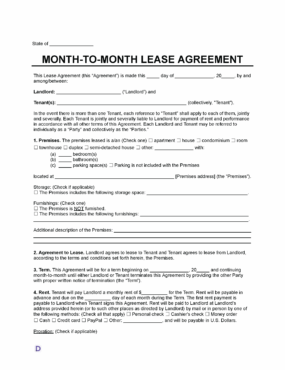
Set up a flexible rental arrangement that suits both landlord and tenant needs.
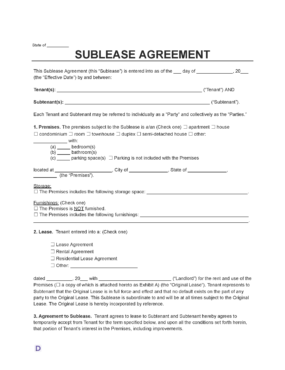
Rent out part or all of your rental property to someone else and outline rent, responsibilities, and key terms.
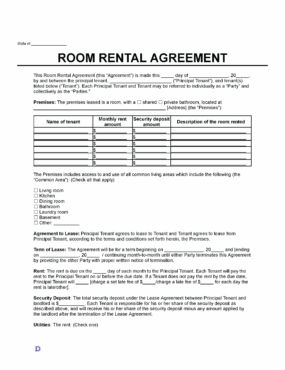
Establish clear terms, rules, and responsibilities for renting out a room in your home.
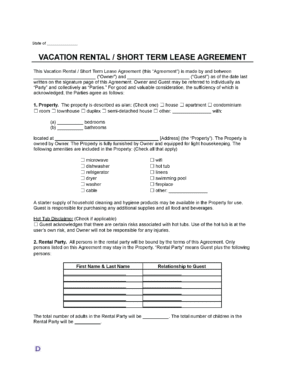
Protect your property and outline clear expectations for short-term stays or vacation rentals.

One place to build, sign, and manage documents.