Free Month-to-Month Lease Agreement Template

A month-to-month lease agreement gives landlords and tenants flexibility with no fixed end date. Build your custom rental contract in minutes with Document Genius's guided template.

4.8
1,936 Ratings
  • Duration 4 min
  • Download as PDF and Word
  • E-sign included

Written by Josh Sainsbury | Attorney-Reviewed by Harvey Barbee, J.D.

Last updated April 22, 2026

How It Works?

1

Fill in the Details

First, enter the tenant's name, property address, and lease terms to customize your agreement.

2

Specify Lease Terms

Next, set the rent amount, payment schedule, and any details, like parking or storage.

3

Review and Finalize

Finally, double-check all the details, have both parties sign the agreement, and you're all set.

Frequently Asked Questions

01

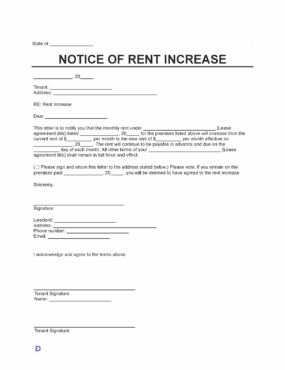
Yes. Landlords can increase rent on a month-to-month lease, provided they give proper written notice — typically 30 days in most states. Some cities and states with rent control laws may limit how often or how much rent can be raised. Use a rent increase notice to document the change in writing.

02

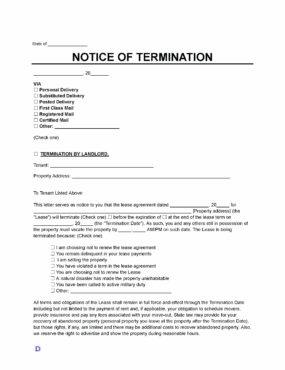
In most states, yes — landlords can terminate a month-to-month lease without providing a reason, as long as they give the required notice. However, states like California require "just cause" for termination under the Tenant Protection Act of 2019, and some rent-controlled cities have similar protections. Always check your local landlord-tenant laws before sending a lease termination letter.

03

Usually, yes. Month-to-month leases typically cost 5–20% more per month than comparable fixed-term leases, reflecting the added flexibility and risk for the landlord. The exact premium varies by market and property type.

04

If a tenant leaves without providing the required notice, they may still owe rent for the notice period under the terms of the agreement. For example, if 30 days' notice is required and the tenant leaves immediately, the landlord may be entitled to 30 days of additional rent. The exact consequences depend on state law and the lease terms.

05

While verbal month-to-month agreements can be legally enforceable in some states, a written lease is always the better option. It protects both parties by clearly documenting rent, notice requirements, and each person's responsibilities — reducing the risk of disputes later.

06

A fixed-term lease runs for a set period — usually 6 or 12 months — with terms that can't be changed until it expires. A month-to-month lease has no fixed end date and renews automatically each month. Either party can end it with proper notice. Month-to-month leases offer more flexibility but typically come with higher rent and less stability.